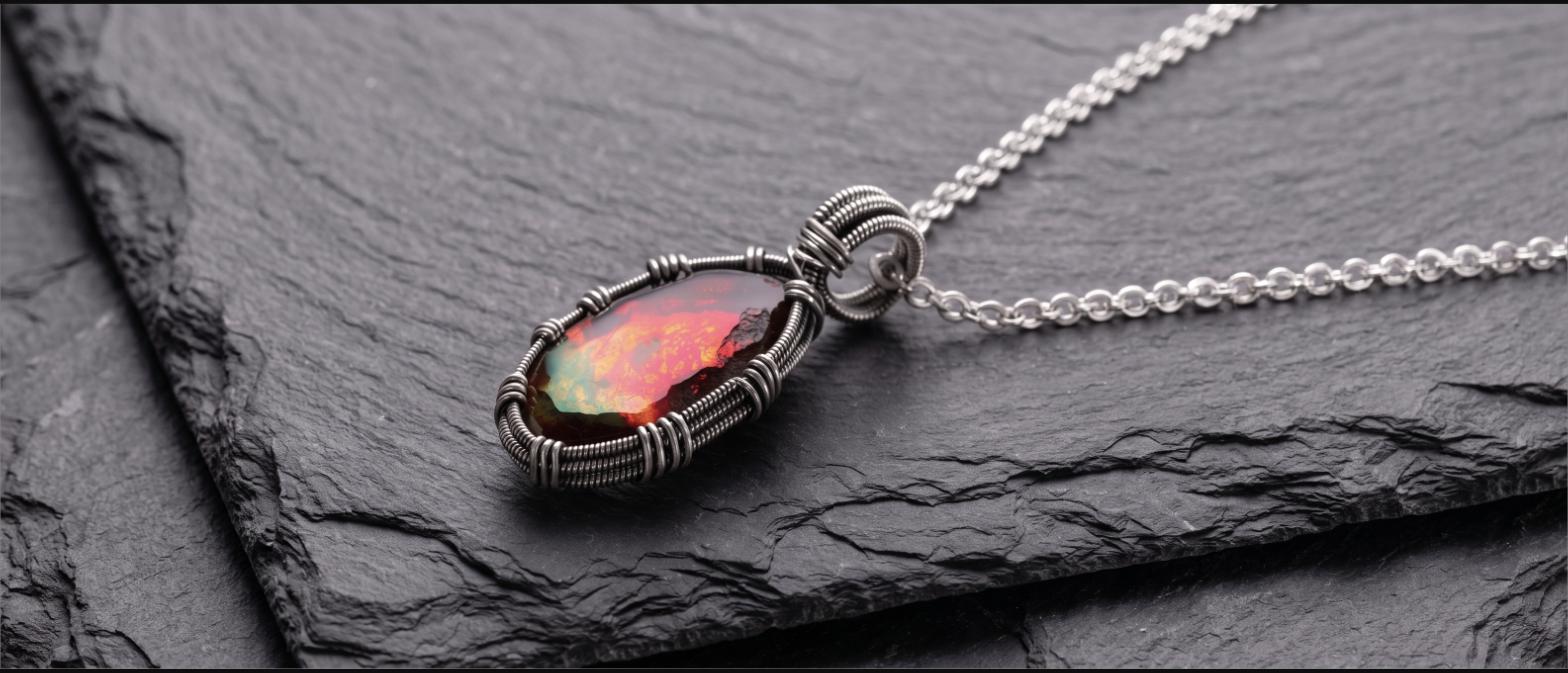
We write a lot here about buying less and keeping things longer, because that is where most of the environmental win actually sits. Jewellery is a good test case. The industry has a fast-fashion tier now: plated base metal, glued components, a season of wear before the plating goes and the whole thing is unrecyclable landfill.
The alternative is not necessarily expensive. It is just older-fashioned. Buy one thing, made by a person, from a material that does not degrade.
What Fire Agate Actually Is
Fire agate is a variety of chalcedony, formed in volcanic rock in a narrow band across the American Southwest and northern Mexico. What makes it unusual is that its colour is not pigment. Thin layers of iron oxide inside the stone split light the way a soap bubble does, and the reds, golds and greens you see are interference patterns rather than dye.
That matters for a practical reason: the colour cannot fade, wash out or be bleached by sunlight, because there is nothing in there to fade. It is structural.
Why the Cutting Is the Hard Part
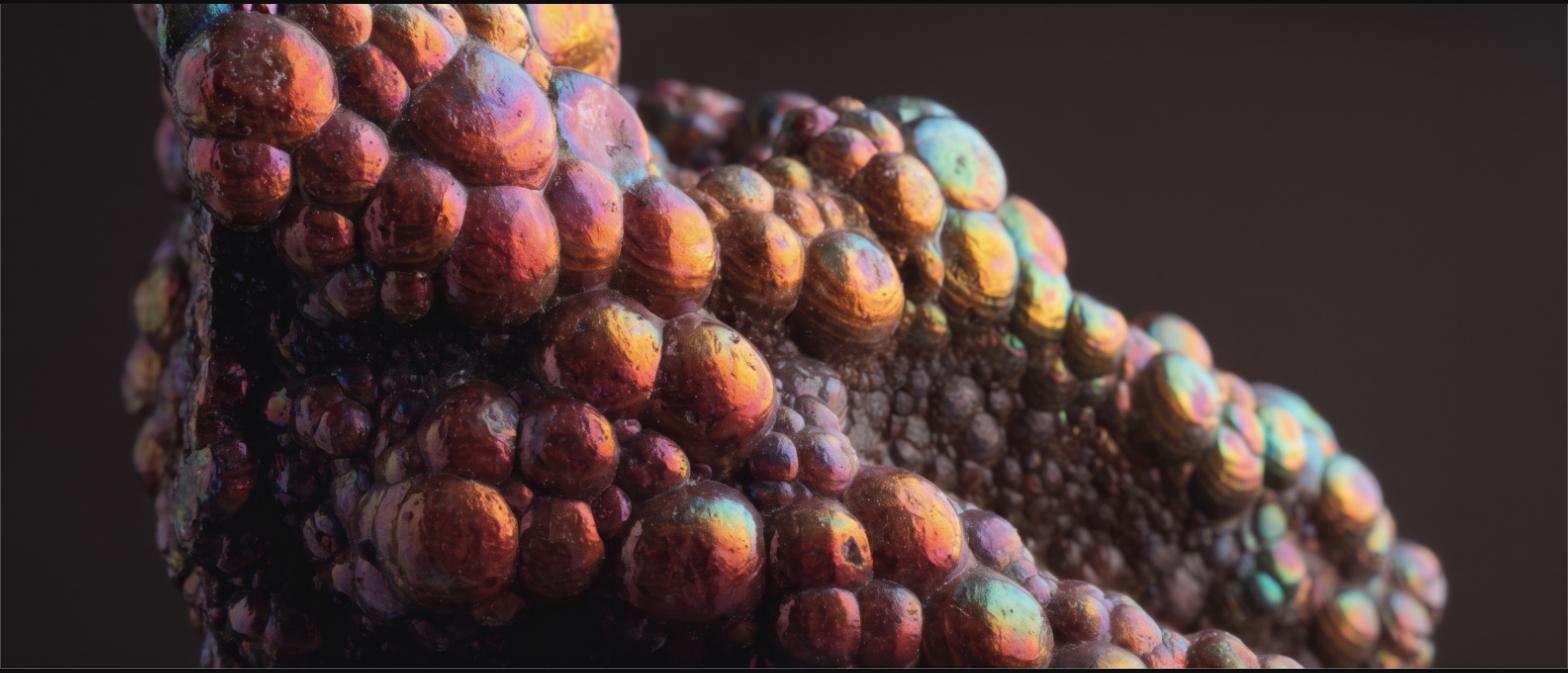
Most gemstones are cut to a formula. Fire agate cannot be, because the fire sits in layers that follow the stone’s bumpy internal shape. Cut too deep and you go straight through it; stop too early and it stays dull. The cutter has to grind down to the fire and then stop, following a surface they cannot see, and there is no undo.
That is why no two are alike and why a good one is worth having. It is also why this is a craft rather than a production line, which is the same argument we made about hand-carved decoys.

Watch: Fire Opal vs Fire Agate – What’s the Difference? (YouTube)
The Case for Buying One Good Piece
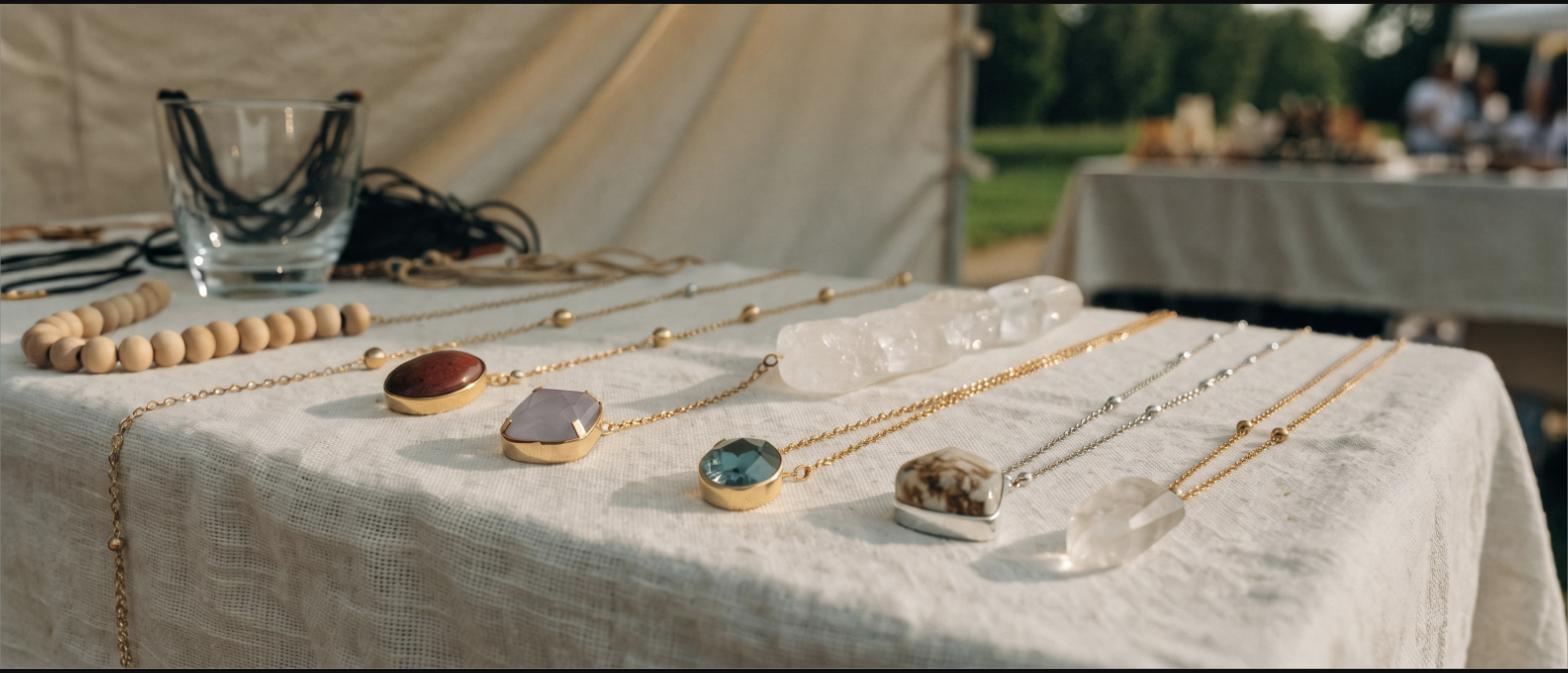
A wire-wrapped setting is worth understanding here. The stone is held by tension in shaped wire rather than glue, which means it can be re-wrapped, resized or reset decades later instead of being thrown away when a glue joint fails. Sterling silver is endlessly recyclable and holds its value. Nothing in that assembly is designed to become waste.
Compare that to a plated fashion piece, which cannot be repaired, cannot be economically recycled, and was never meant to last. A hand-cut fire agate necklace sits at the other end of that spectrum: one object, one maker, no expiry date.
Questions Worth Asking
Ask where the stone came from. Fire agate is mostly dug by small-scale claim holders in Arizona and Mexico rather than by industrial operations, and a seller who cannot name the locality probably has not looked. Ask whether the silver is recycled, since most refiners now offer it. Ask whether the piece can be repaired.
A maker who works this way will happily answer all three. That conversation is the whole point, and it is one you will never have with a shop that sells the same necklace ten thousand times.


 Glass. When you look around you, it is very likely that you see some type of glass. It is everywhere. For “green” conscious people, it also means that they wonder if the creation of the glass that we depend on is actually good or bad for our Earth. It has come up several times, people wanting to know, “Is glass a “green” material?” Here is our reply.
 Glass isn’t necessarily a green product because it has to be heated, melted, and made into the form that we recognize as “glass”. This does not mean that it is “bad” for the environment though. By using glass windows on “green” buildings, we are still enabling those buildings to use less power to heat with. Windows can also help natural light flow inside, it conducts solar power, and more. Glass is NOT a bad thing.
 If you are absolutely sure that you want to avoid glass by getting an unbreakable, but clear material, you have options. There are plastics such as polycarbonate, polyvinyl chloride, polystyrene, Polypropylene, or Polyethylene. Each of these options is an ideal solution for glass alternatives. For greenhouses, green buildings, and other options, they can be used effectively to do the same job as glass. However, they may be less environmentally friendly than using actual glass.
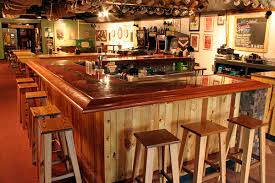
 Over the last decade or so, we have seen a lot of changes. Many of them are happening still in our own neighborhoods. Just think about how many times your favorite “Mom and Pop” restaurant has changed ownership or may have closed its doors permanently. Or how that bar you used to enjoy going to on a Friday night has closed its doors and maybe been transformed into something totally unrelated to the bar you loved. These things are happening all over the U.S. You can benefit from these closures and keep a piece of it for yourself if you want. Here are a few ideas for reusing or recycling bar and restaurant equipment.
 The simplest answer to this question is that as a general rule, people want more. Some people may love the smaller, more intimate settings, but not everyone embraces it. The rest want bars that also serve food, restaurants that are family-friendly with a little adult beverage thrown in. If not that, then they want nightclubs or higher-class establishments.
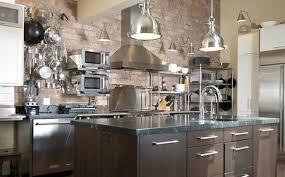 Often, when a bar, club, or restaurant closes its doors for good, there are things that get left behind. If the owner loses it to bankruptcy, they may have to auction off what is left, especially the equipment such as stoves, stainless steel work tables, sinks, and tables. However, not all parts can be taken away without damages, so they are unworthy of auctioning. This can often include bartops, countertops, and other things.
 We all have to think about sustainability. We don’t want want to deplete natural resources, but we all need to have different things. This makes working with eco-friendly materials vital to our existence and the existence of our Earth. However, many people worry that working with wood could actually cause more damage than it is worth. They want to know if it is sustainable or if we are simply causing more damage than good. Here is the truth.
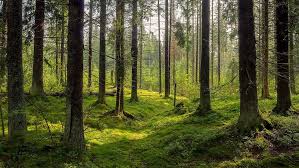 There should be no doubt that wood is one of our most valuable resources. It is proven by the fact that deforestation is something we hear about often. However, there is proof that wood is very sustainable. In fact, many people say that wood should be used over concrete and steel and it would be just as durable.
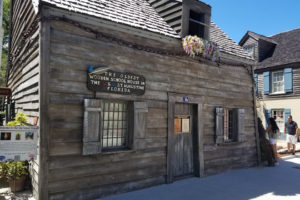 If you are curious about which type of wood people feel is the most eco-friendly and which one that builders favor the most, you have a few choices. Some trees do grow quicker than others, which may make them a better choice. The fastest-growing trees are: Hybrid Poplars, Weeping Willows, Aspen, and Maple.
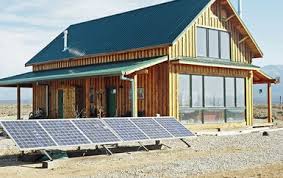
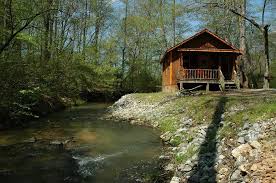 In today’s world, many people are starting to go off-the-grid as a way of living a greener lifestyle. It works. By doing this, we do lessen our overall negative affects on our world. It is a great idea, but going green off the grid isn’t something that is easy to do for all.
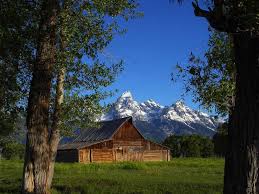 The first step and requirement for going off the grid for greener existence is the right mindset for it. You have to be committed to the overall lifestyle change that you are about to enjoy. You have to decide if you want the full rustic experience or power when you need it the most.
 Waste Disposal Options
 When you think of today’s world, what is it that you think about first? For many of us, it is the violence that we see talked about on the news and among friends that is most prevalent in our minds. The truth is, as a nation and as a world, we seem determined to embrace the violence. However, there is a hope that we will one day learn to change it. It comes in the form of government officials, our leaders, deciding to redirect anger into more positive emotions. That is the purpose of groups like DC Green State.
 How prepared should we be for war? We live in a world where weapons of mass destruction are waiting to be aimed and fired at opposition. Some people feel it is warranted, and indeed, it may be. But how much preparation is too much?
 You cannot choose a book by it’s cover. The same is true for people on a global level. Think of all that we fight for or against. We may shoot people for having different cultural values than we have. We judge because they choose to love someone of the same sex, their skin is a different color, they choose to embrace a religion that isn’t yours, and more. No one is exempt from our persecution of them if we feel it is justified, but who really gets to choose what is best or worst?